How to Do Keyword Research for SEO: Complete 2026 Guide
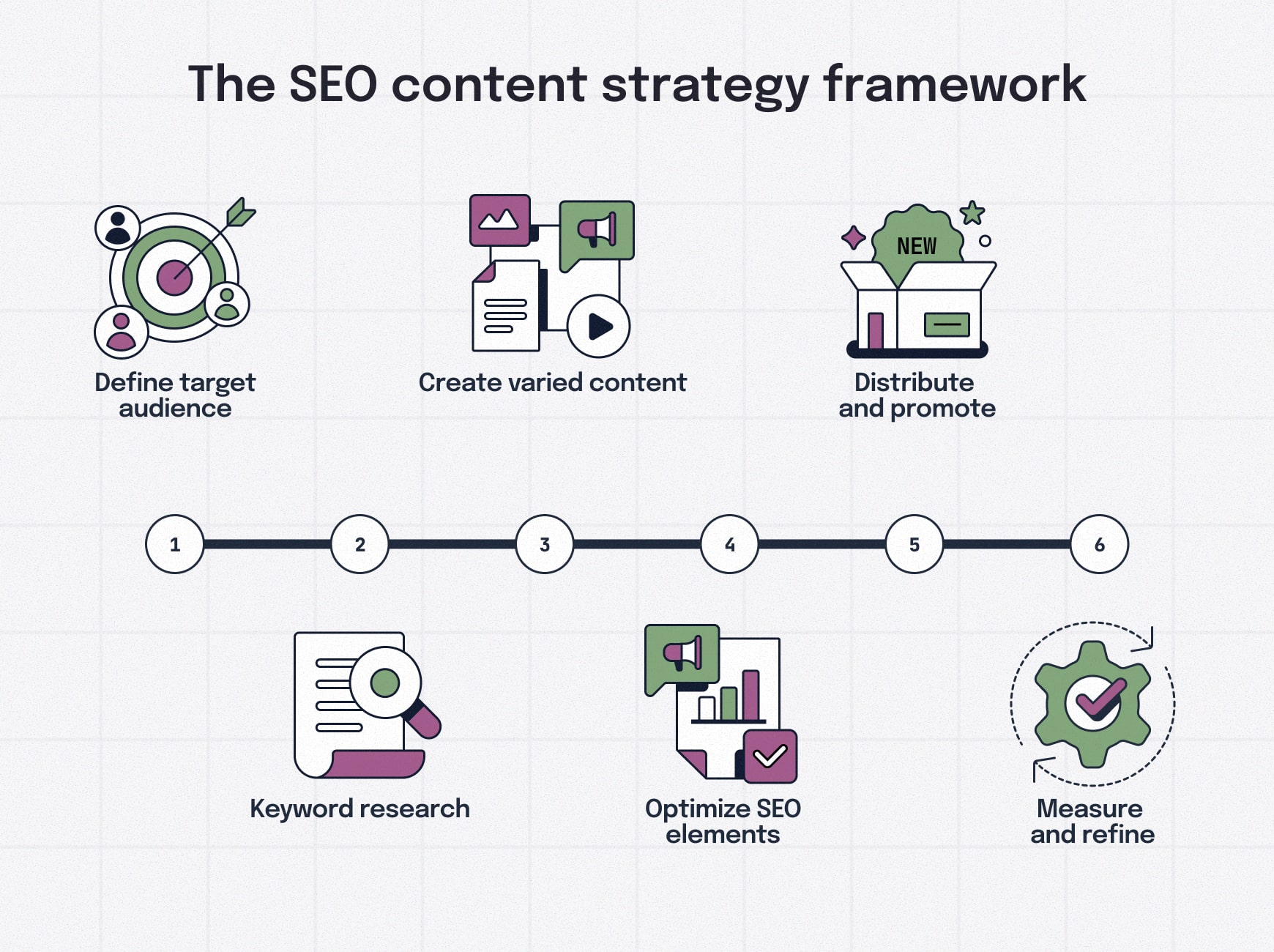
Keyword research is the foundation of SEO success in 2026. With AI Overviews and voice search dominating, focus on user intent and conversational phrases.
Why It Matters in 2026
Google prioritizes helpful, intent-focused content. Proper keyword research drives targeted traffic and better rankings.
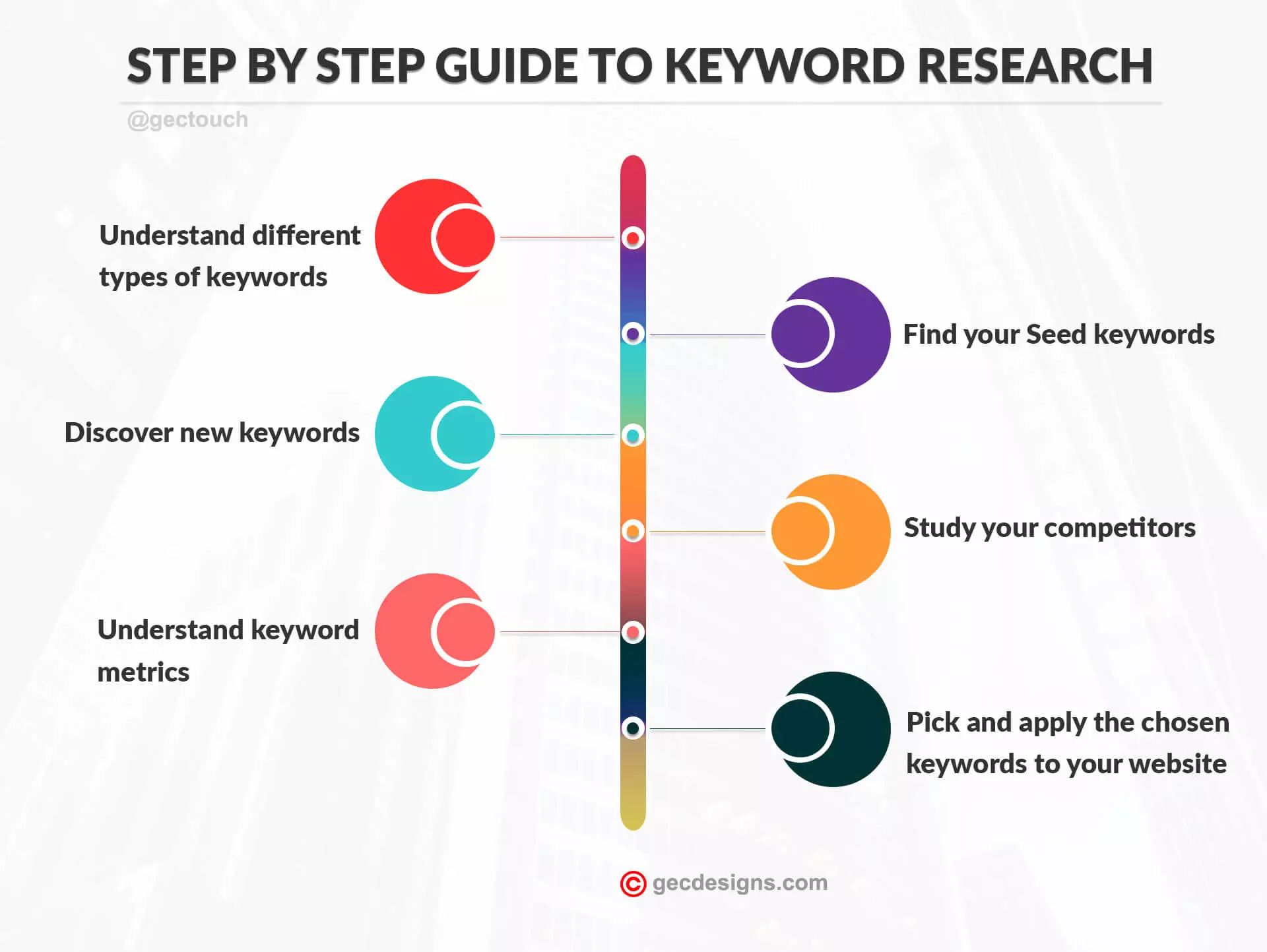
Step-by-Step Process
- Define goals & audience
- Brainstorm seed keywords
- Expand with tools
- Analyze search intent
- Prioritize long-tails
- Competitor analysis
- Organize & implement
Start with free tools like Google Keyword Planner and scale up as needed.
10 Best Free Keyword Research Tools in 2026
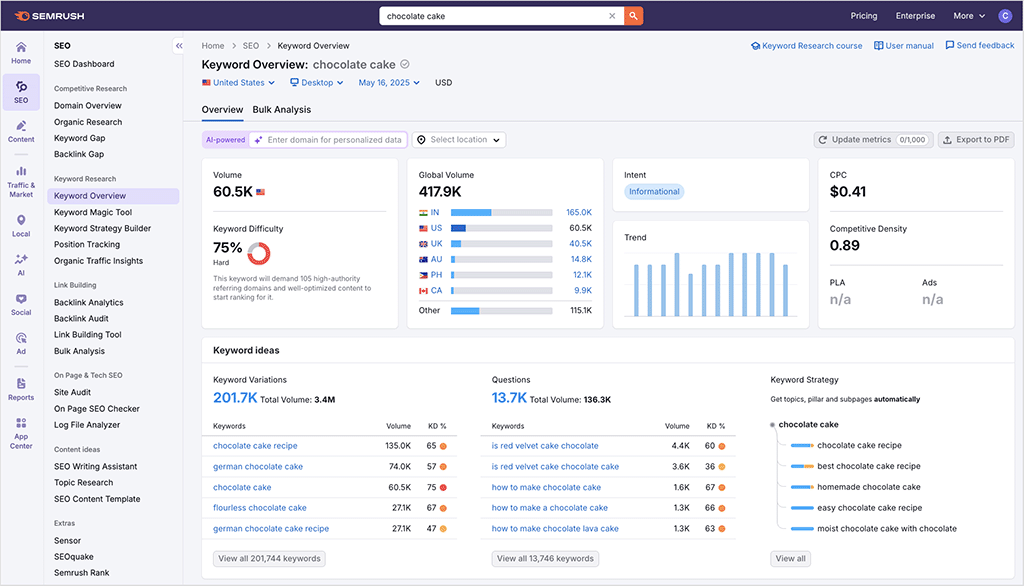
- Google Keyword Planner — Official volumes & ideas
- Google Trends — Trend & seasonality analysis
- AnswerThePublic — Question & visualization goldmine
- WordStream Free Keyword Tool
- Ubersuggest (free tier)
- Semrush Keyword Magic (limited free)
- Ahrefs Keyword Generator (free)
- AlsoAsked
- Keyword Tool (free version)
- Soovle

| Rank | Tool | Best For | Free Limits |
|---|---|---|---|
| 1 | Google Keyword Planner | Accurate volume | Unlimited (with account) |
| 2 | Google Trends | Trends | Unlimited |
Pro tip: Combine 2–3 tools for the best results!
Long-Tail Keywords: Complete Guide to Finding & Ranking (2026)
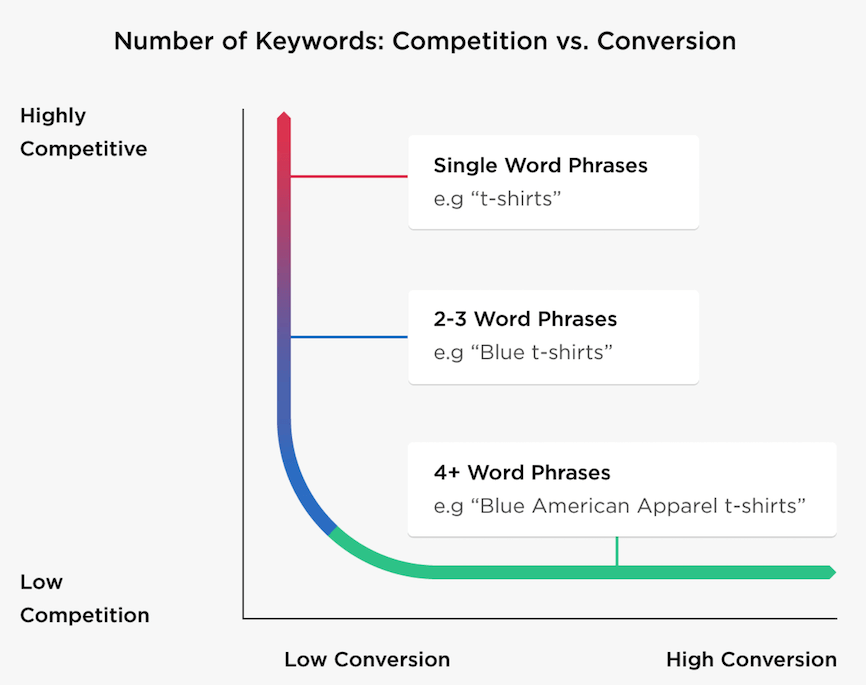
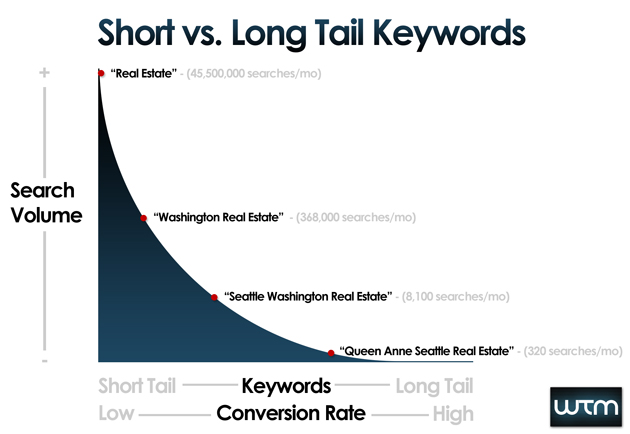
Long-tail keywords (3+ words) are easier to rank for, have higher intent, and convert better — perfect for 2026's AI & voice search era.
Key Benefits
- Lower competition
- Higher conversion rates
- Voice-search friendly
- Cumulative traffic power
How to Find Long-Tail Keywords
- Start with seed keywords
- Use autocomplete & People Also Ask
- Leverage AnswerThePublic & tools
- Analyze competitors & forums
- Prioritize low KD + clear intent
Ranking Tips 2026
- Match intent perfectly
- Create in-depth, helpful content
- Optimize on-page (title, headings, alt text)
- Build topical clusters
- Focus on E-E-A-T & regular updates